🧠 What is CBD?
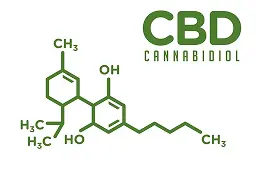
CBD (cannabidiol) is a natural compound derived from the Cannabis sativa plant. Unlike THC, it does not produce a psychoactive effect and does not make you feel high or euphoric.
CBD interacts with the body's endocannabinoid system (ECS), a network of receptors involved in regulating mood, sleep, pain, and immunity.
🌿 How does it work?
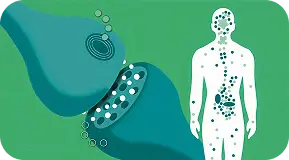
CBD does not bind directly to CB1/CB2 receptors the way THC does. Instead, it supports the body's natural balance-regulation pathways, enhances the action of endogenous cannabinoids, and interacts with other systems such as serotonin receptors.
✅ Possible effects and benefits
Scientific evidence points to the following potential effects (some findings are still preliminary and require further research):
✨ Reduced anxiety and stress - CBD may affect serotonin receptors, which is associated with lower anxiety levels.
✨ Better sleep - Some studies suggest that CBD may help people fall asleep more easily and reduce nighttime awakenings.
✨ Pain relief and anti-inflammatory action - CBD may modulate pain signaling and influence inflammatory responses.
✨ Support in epilepsy treatment - CBD is the basis of Epidiolex, a medication approved for certain forms of epilepsy.
⚠️ What to know about safety
CBD is generally considered well tolerated, but it is important to remember:
- 🔸 it may interact with other medications such as anticoagulants or antidepressants and alter their effects;
- 🔸 possible side effects include dry mouth, drowsiness, appetite changes, and nausea;
- 🔸 very high doses may affect liver markers, especially when taken together with certain medications.
CBD is not a universal cure, and its full effectiveness is still being studied.
🧪 The difference between CBD and THC
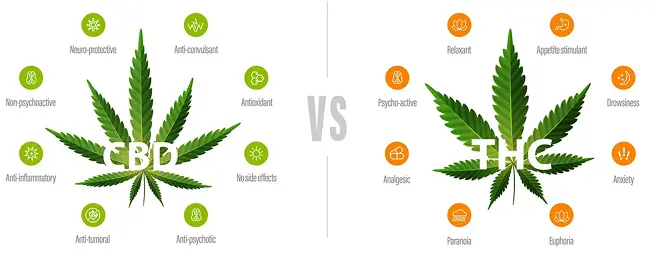
CBD is non-psychoactive, does not create a high, and is widely used in wellness products.
THC is the psychoactive component of cannabis that produces euphoric effects.
📌 Sources
- 🔗 Harvard Health: Cannabidiol — what we know and what we still don't know
- 🔗 NCBI / StatPearls: CBD in clinical practice — benefits and risks
- 🔗 Forbes Health: Scientific evidence behind CBD benefits
- 🔗 AP News — More people are using CBD products
- 🔗 WebMD — Health benefits
- 🔗 Zelena Hazeta — What CBD is and how it works